How a Wonderful Cup of Coffee Is Born
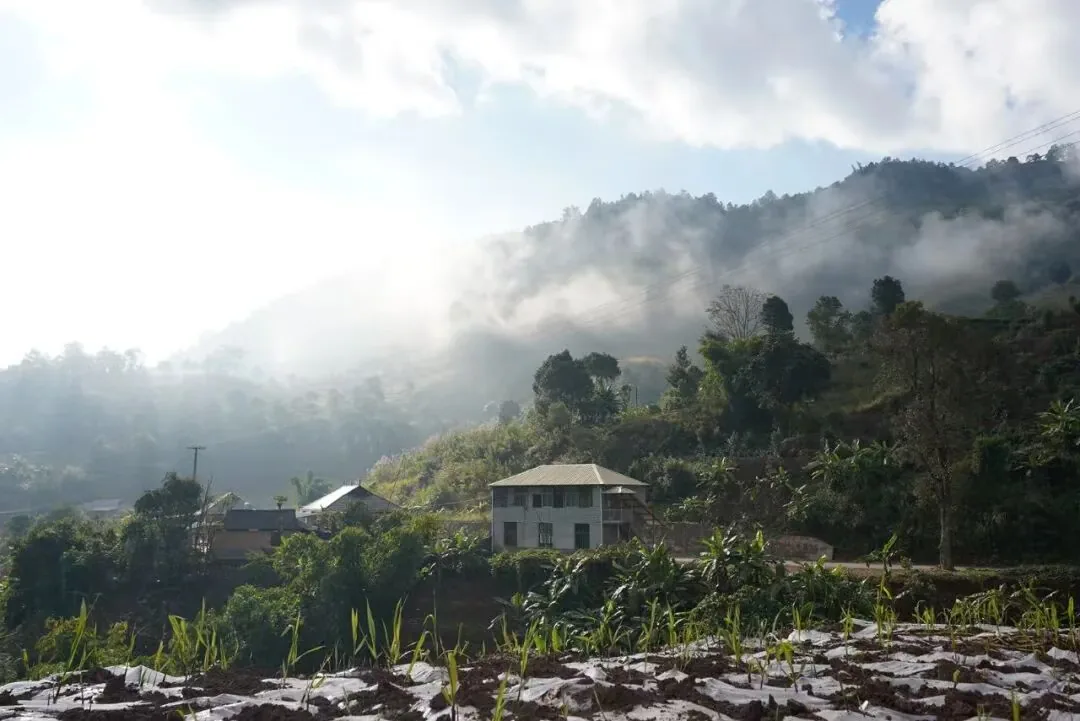
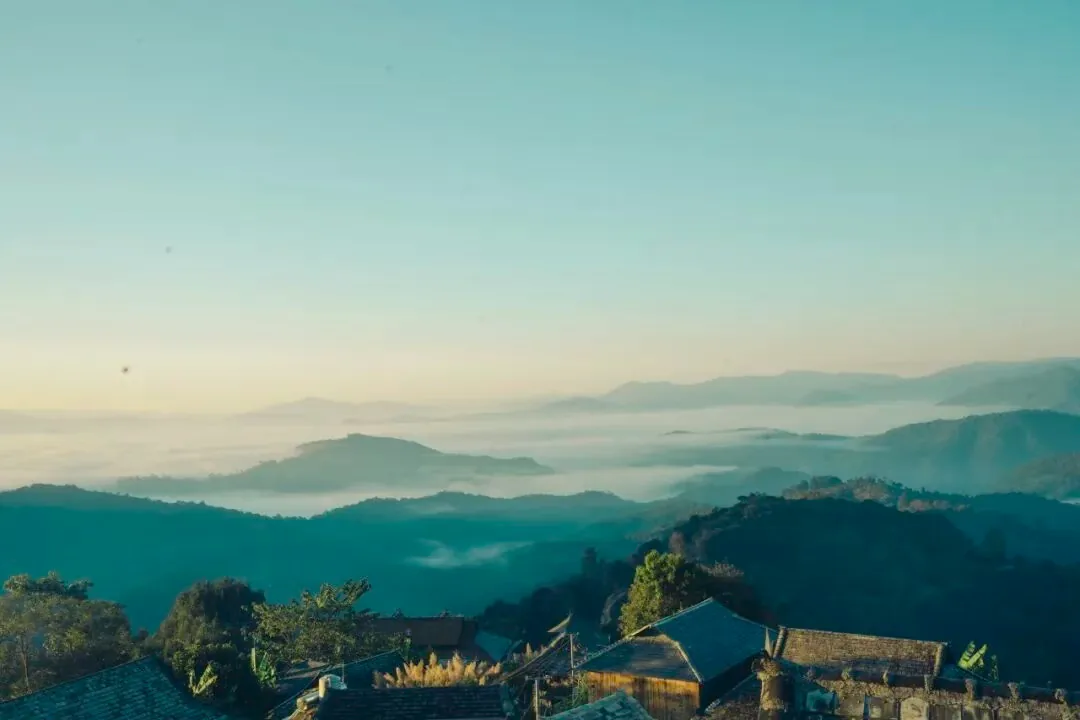
In April, though the rainy season in Panama had not yet truly arrived, the mountain mist was already quietly gathering around the Volcan Barú.
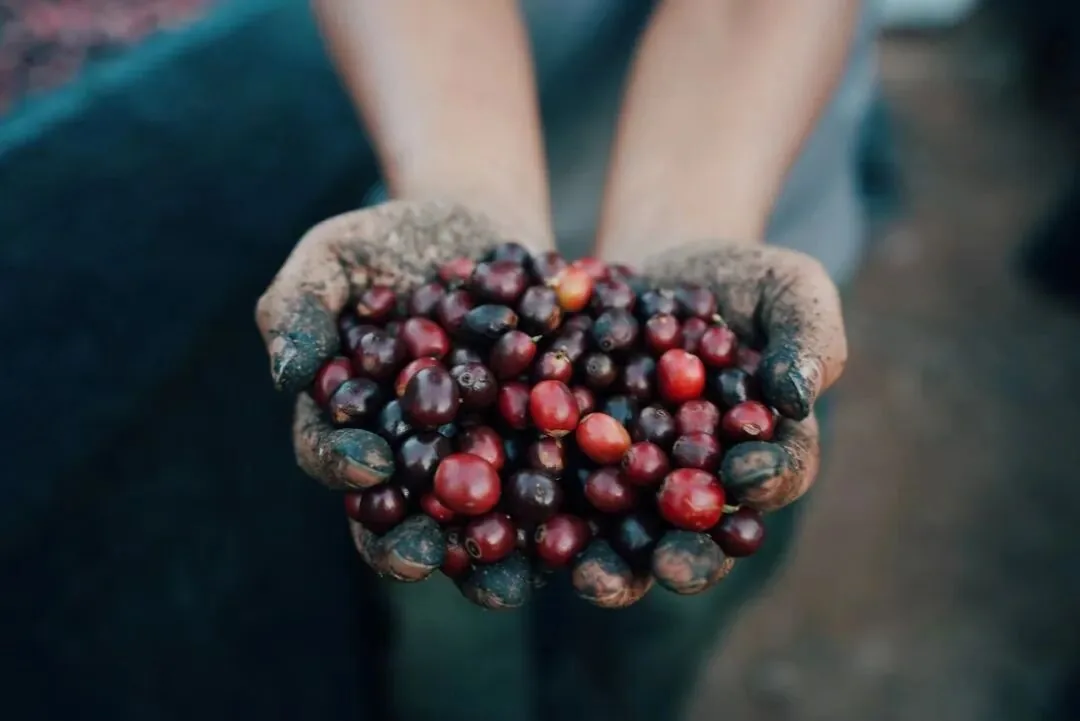
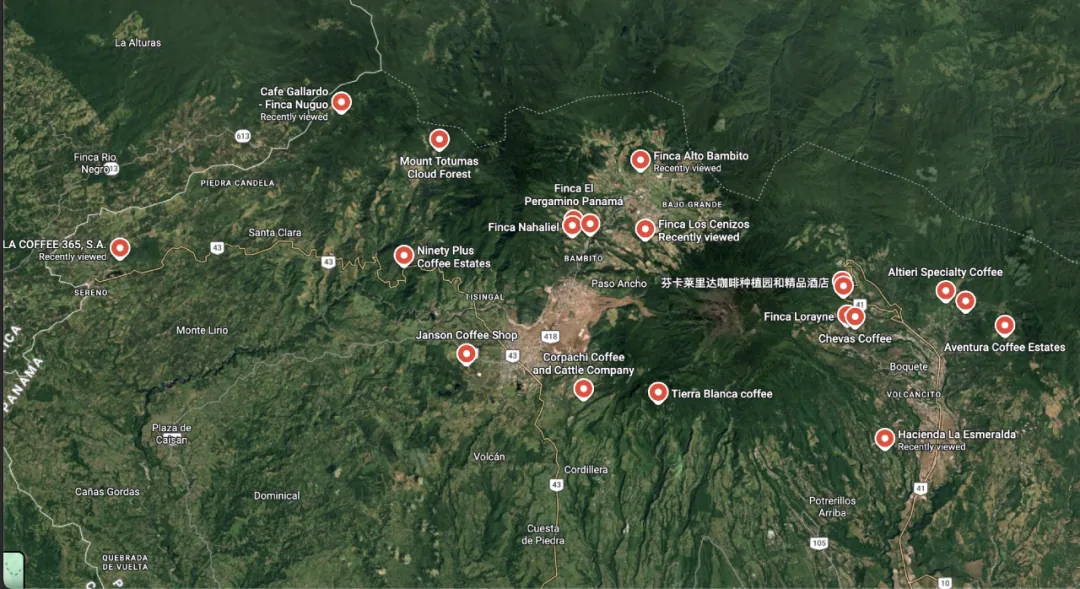
On the slope of an estate in Chiriquí Province, lush coffee trees stretched out ahead, set against a backdrop of rolling green ridges. The farm owner pointed to the soil in front of us, introducing the microclimate of this block in an understated tone—elevation, temperature variation, shaded areas—each factor quietly dictating the rhythm at which the coffee cherries ripened.
He spoke casually, as if describing the most ordinary thing in the world.
Yet it is precisely these daily details that build the complex flavors in the final cup.
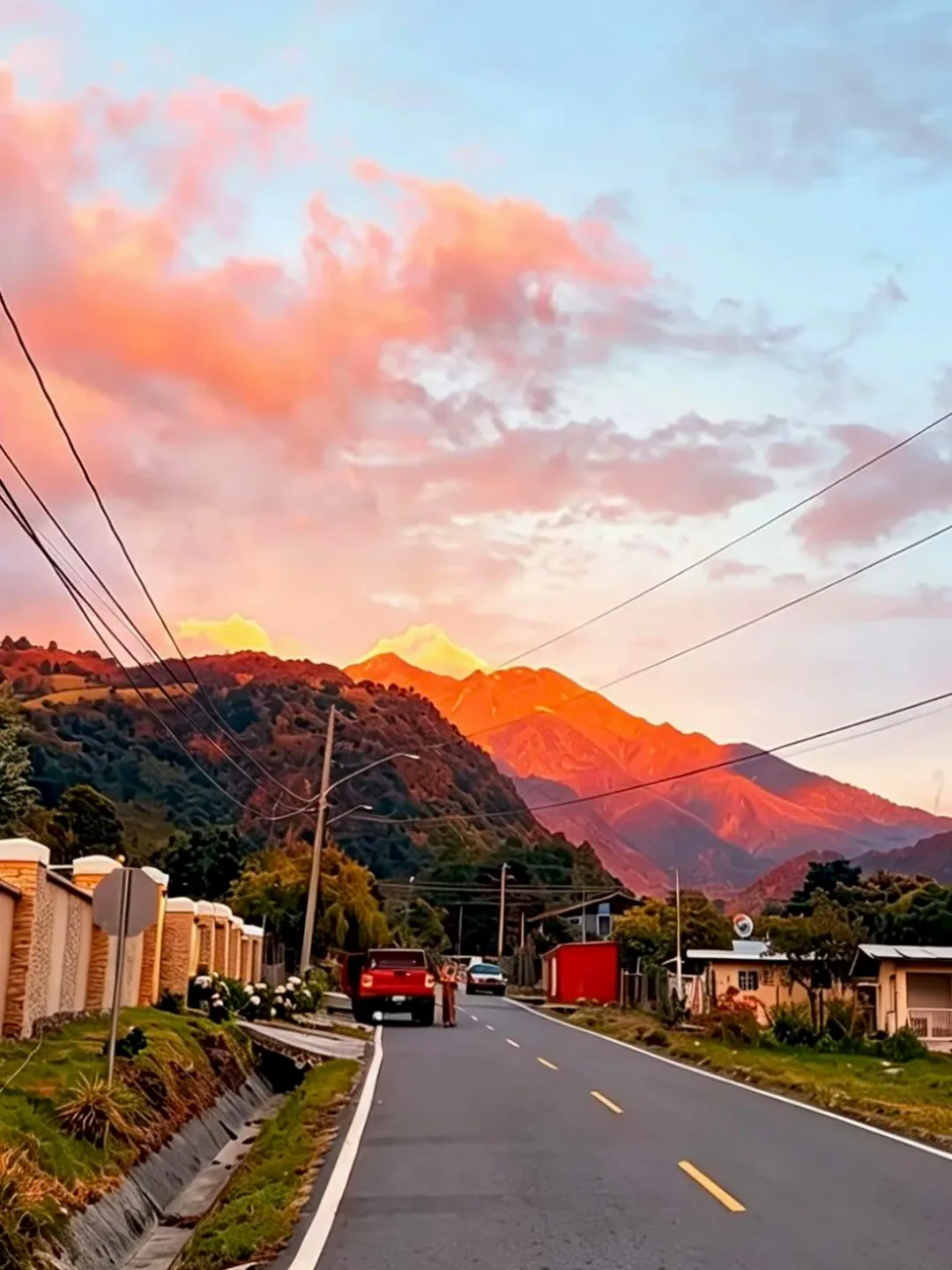
Departure: Why Panama?
Panama may seem small on the map, but it harbors the world's most captivating specialty coffee.
Many people came to know this place because of Geisha. But what drew us here was not the repeatedly told legends, but a much simpler question: How, exactly, is a wonderful cup of coffee born?

The answer cannot be found in any interview. We had to go out and seek it with our own feet.
Twenty days, more than thirty farms and processing mills, and over two thousand samples cupped.
These numbers sound impressive, but what truly stayed with us were not the statistics, but more concrete images: the mist along winding mountain roads, sudden downpours, beehives tucked under the eaves of processing mills, and cupping coffees with extraordinary, vibrant flavor profiles.
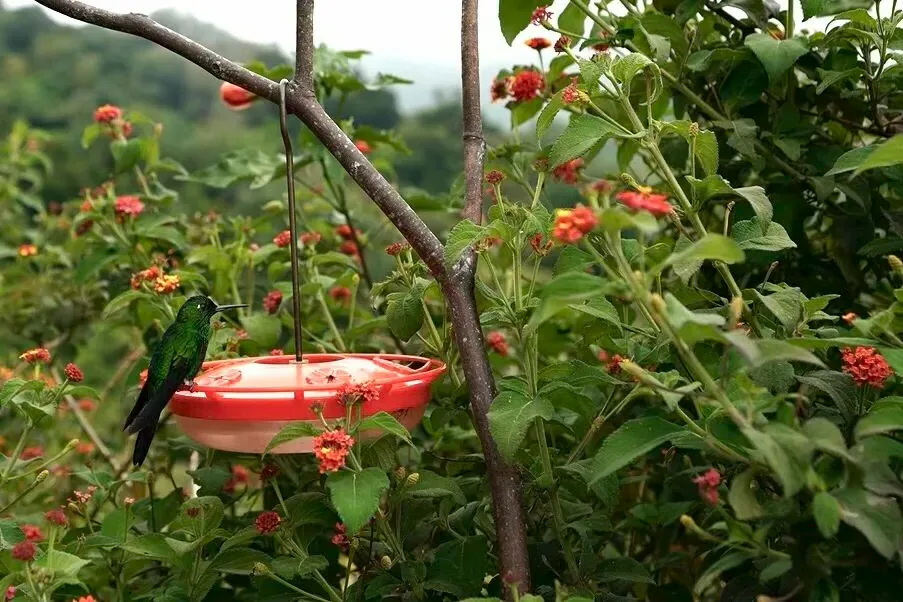
Being on-site made us realize that what sustains all this imagination is not a single variety or a specific processing method. It is a shared understanding of land, time, and rules.
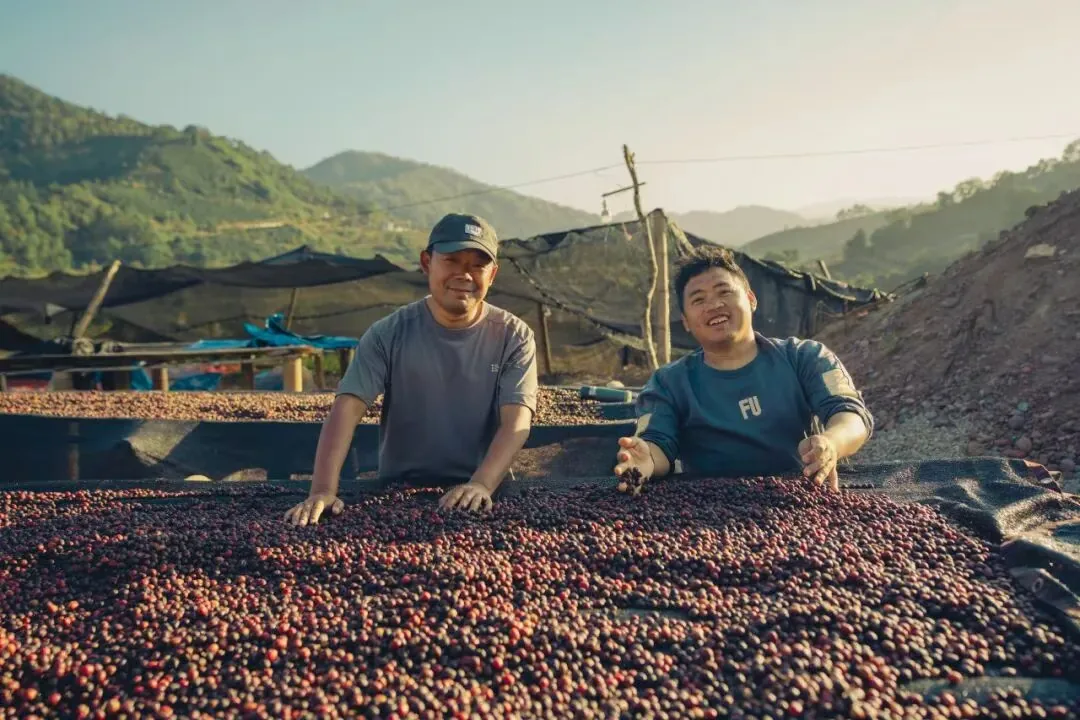
Here, few people repeatedly talk about what they are "creating." More often, they simply repeat mundane tasks: cultivating, picking, processing, cupping, and continuously adjusting.
A legend never happens overnight. It is built through relentless accumulation over countless ordinary days.
Into the Mountains: Seeking a Deeper Understanding
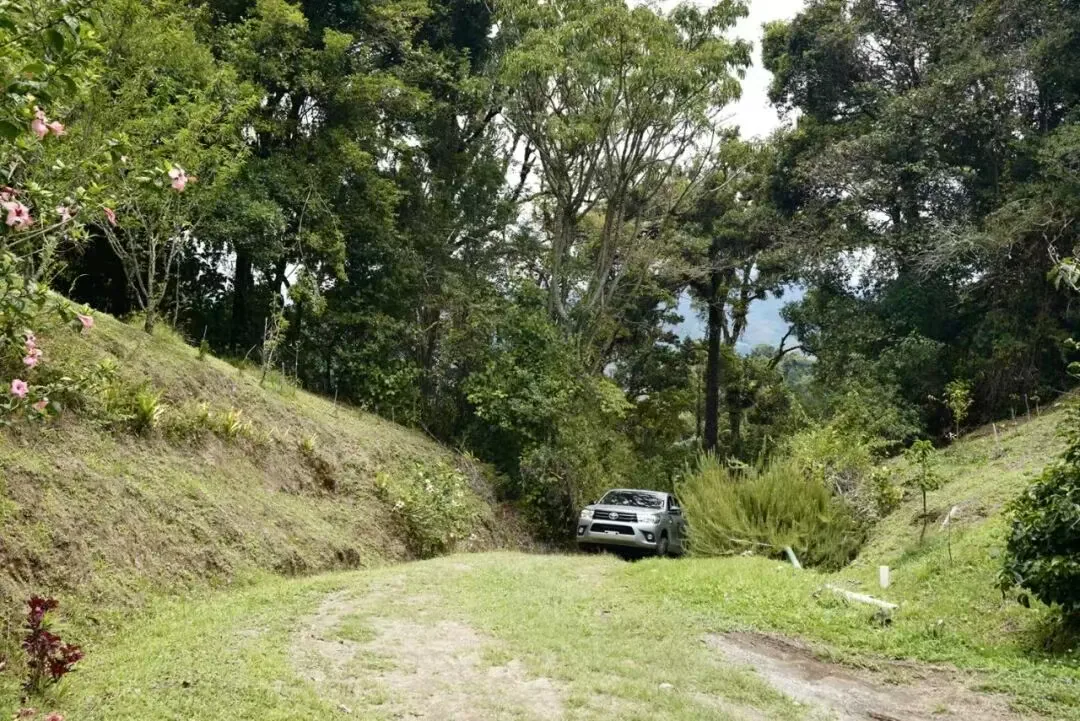
Walking into the mountains, the first thing shattered was our romanticized filter of these "legendary estates."
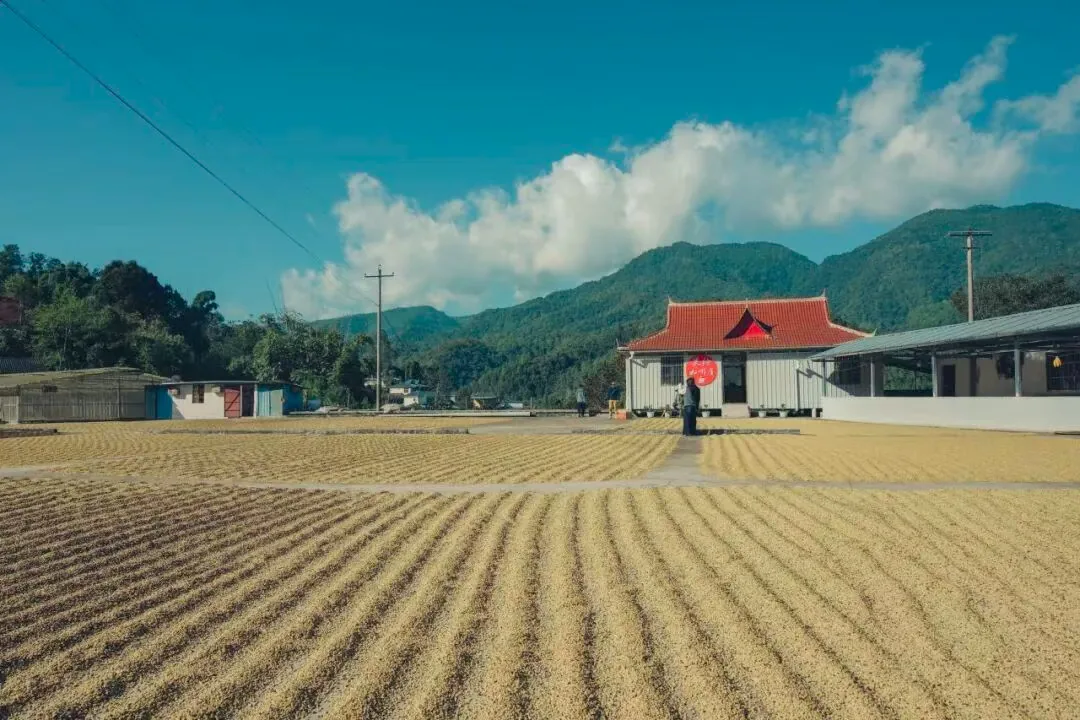
There were no groundbreaking secret recipes, nor any mysterious, exclusive techniques. Instead, it was mostly mundane details: when to fertilize, how high to keep the tree canopy, picking maturity standards, and drying room temperatures.
None of these tasks are complex on their own, but each must be done day after day, year after year, for decades.
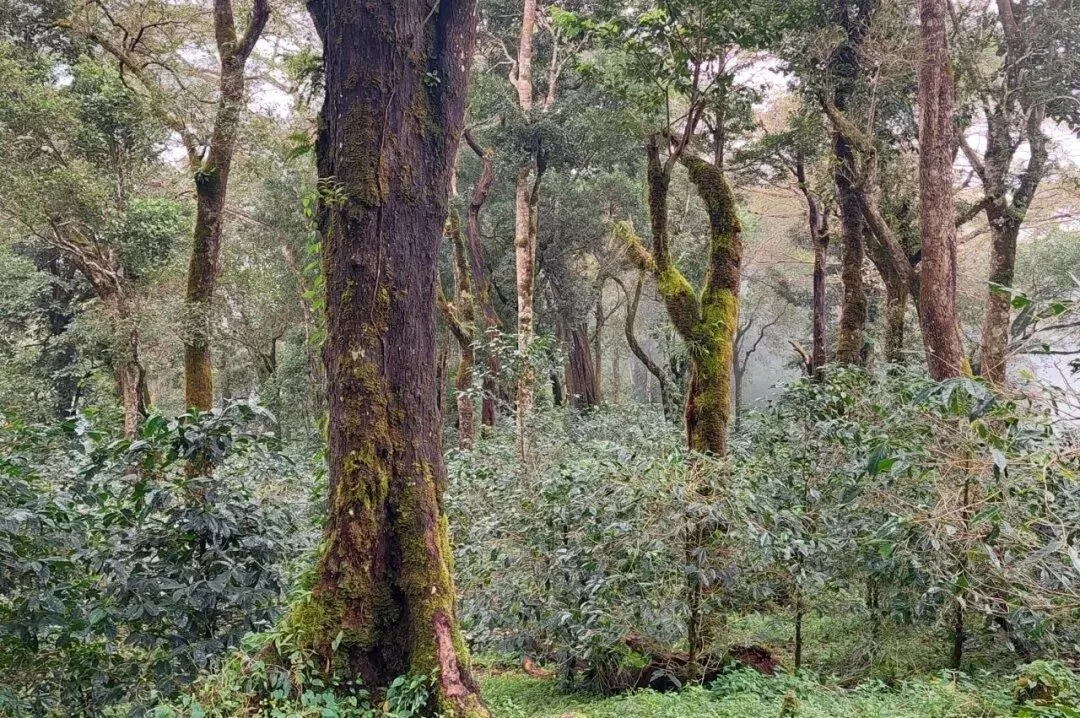
We tend to break down terroir into parameters—elevation, temperature shift, rainfall, soil. But standing there, you realize those explanations are still incomplete.
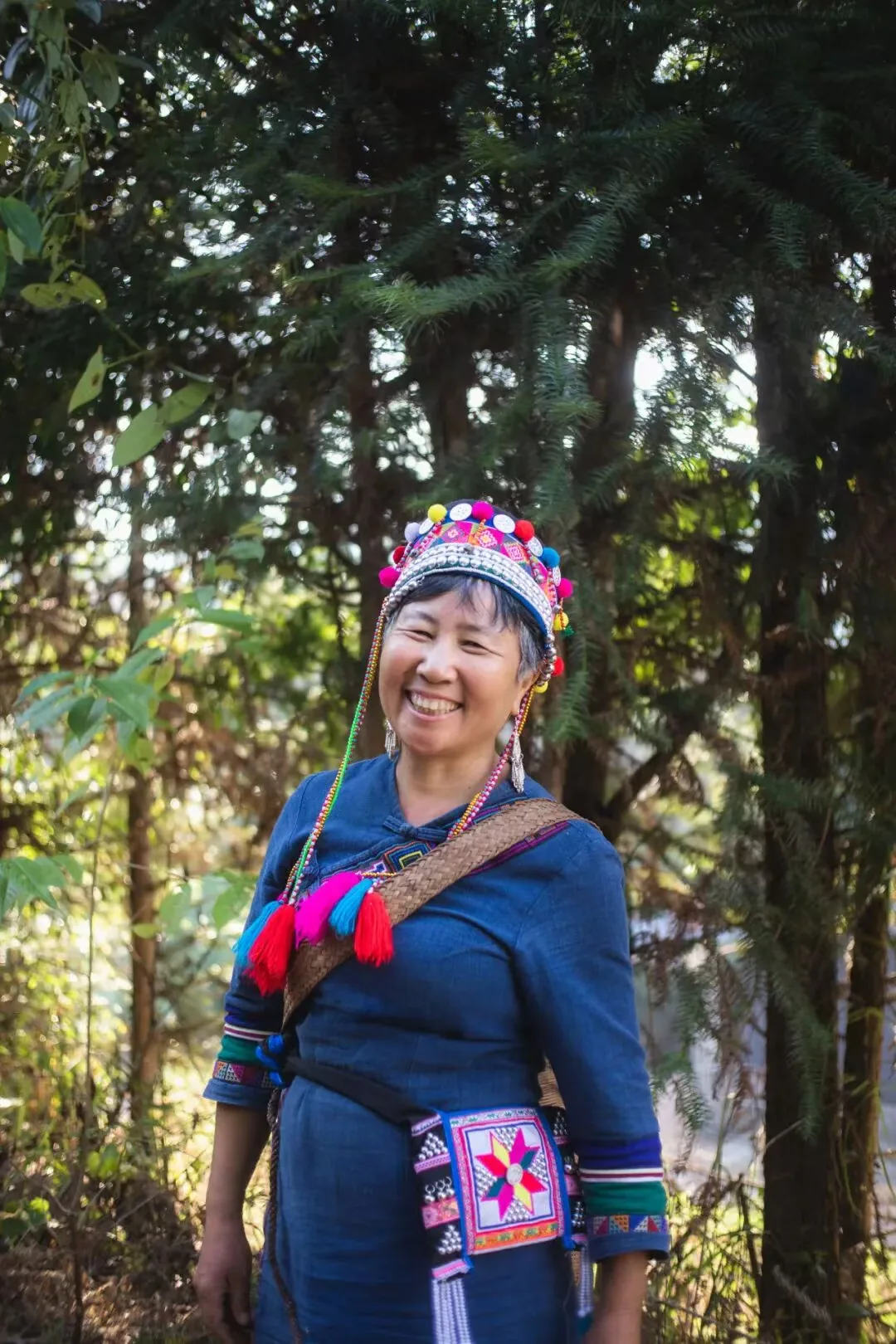
Terroir also includes how the people here live, how they approach their work, how they face the weather, and how they accept the things beyond their control.
All of these elements eventually become part of what is in the cup.
Challenges: A Year of Severe Crop Loss
This year, the condition of Panamanian coffee was worse than usual.
At almost every estate we visited, we heard the same phrase: extreme weather.
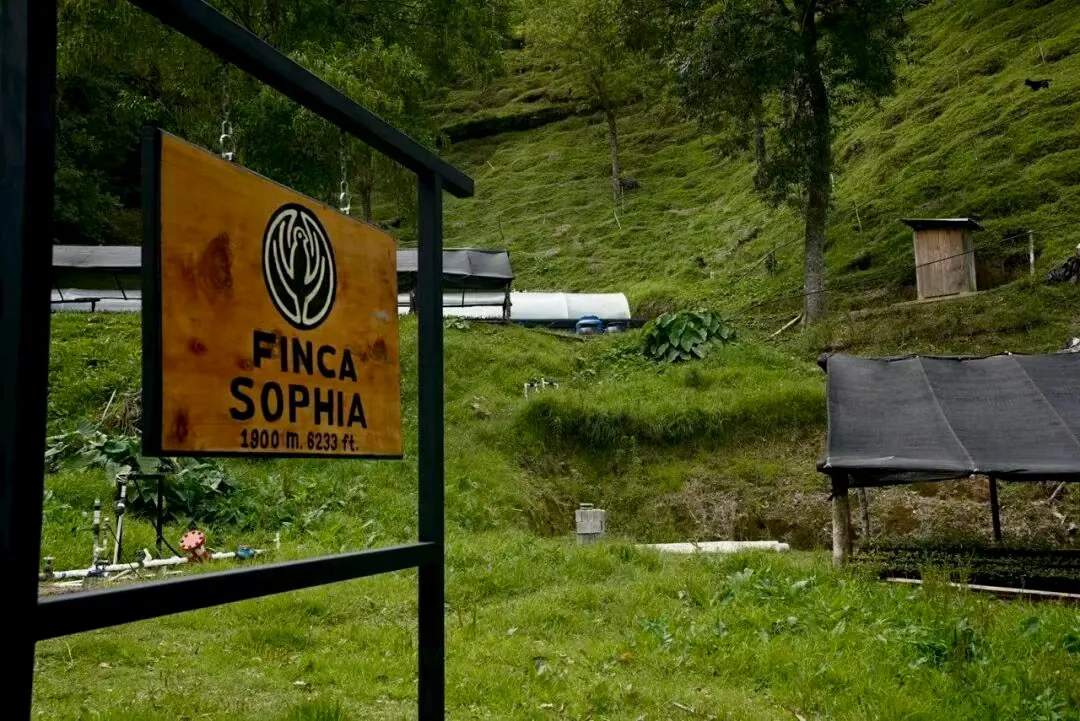
Changing weather patterns blurred the boundaries between Panama's wet and dry seasons, causing harvest yields across most estates to drop anywhere from 50% to 90% (for example, Finca Sophia suffered a 90% reduction, leaving only around 200 kg of yield). Producers called this a "difficult year."
With yields falling sharply, picking cycles and fruit maturity were thrown off balance. Yet the core challenge was not just reduced production, but maintaining quality standards under such limited conditions.
One observation stood out: producers this year became much more restrained.
This was not a passive compromise of "being unable to do complex processing," but a conscious choice—reducing reliance on experimental processing methods and refocusing attention on maturity control, soil health, and long-term tree canopy management.
In an era of increasing climate instability, consistently producing good coffee is, in itself, a rare capability.
Cupping: Future Trends Observed
If visiting the origin allows one to see how a cup of coffee grows, then cupping allows one to hear how it expresses itself.
Cupping over two thousand samples—the quantity itself was not the point. What truly mattered was seeing clear trends emerge amidst the noise:
Geisha remains important, but it is no longer the sole answer.
More and more varieties are beginning to establish their own distinct expressions. More and more estates are reducing their emphasis on processing tricks, returning to the soil itself, and reopening conversations around long-term sustainability.
Over the past few years, specialty coffee seemed to relentlessly chase newer, more complex, and more intense flavors. But this time, we encountered a shift in the opposite direction: toward restraint, completeness, and authenticity.
The most exciting moment during cupping was not finding the best-tasting sample, but understanding why a particular cup turned out the way it did.
Some samples made a strong first impression but faded quickly. Others were subtle at first, yet remained memorable long after.
They were much like the land, and much like the people.
Conclusion: What We Learned
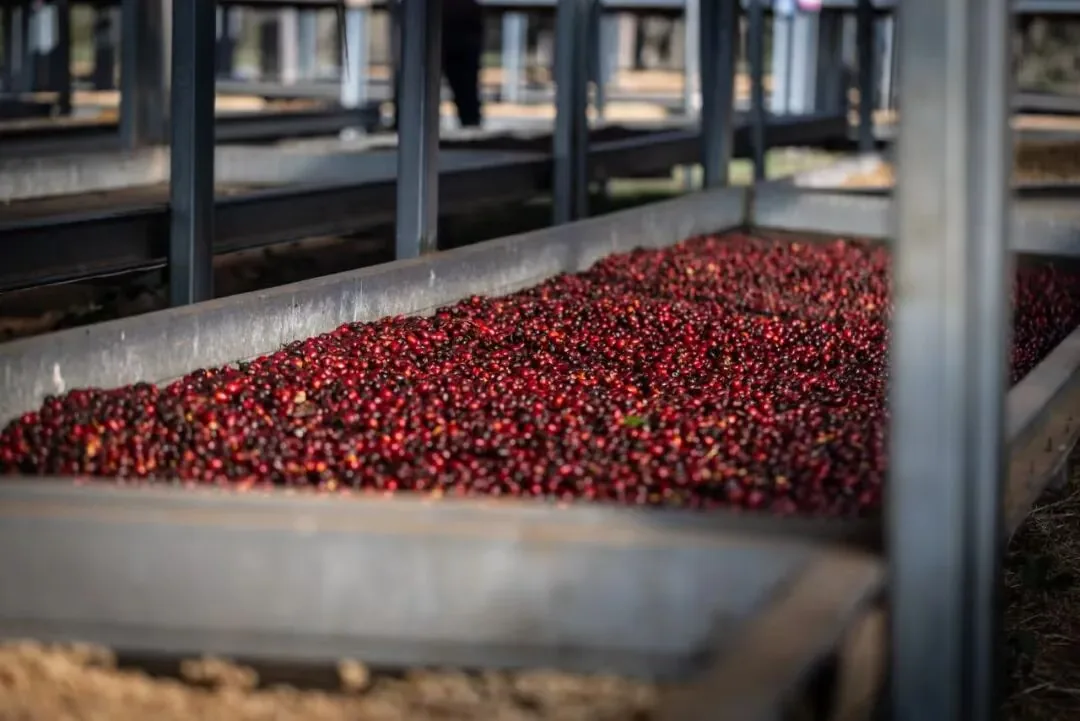
On this trip through Panama, we did not find a single standard answer to what makes "good coffee."
However, one thing became increasingly clear: we shouldn't just deliver a cup of coffee—we should also share with you, who love coffee, why it grew this way, why it was processed this way, and why it presents such flavors.
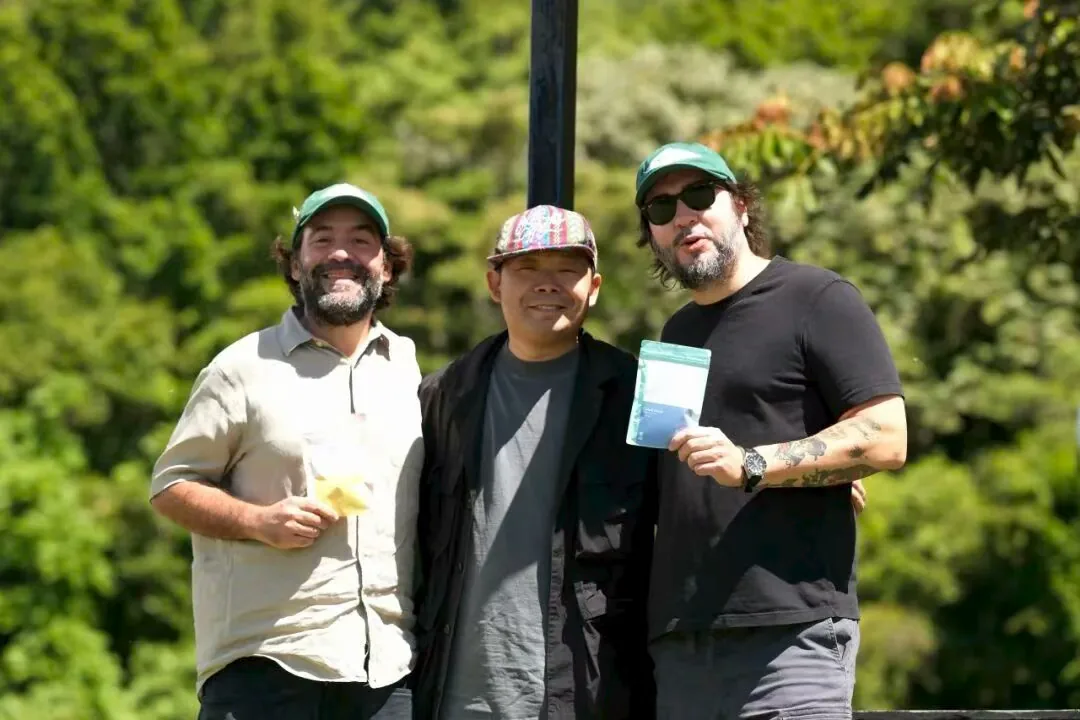
What we strive for is not merely the delivery of flavors, but the delivery of connections—between people, and between people and the land.
A wonderful cup of coffee is not born at the moment of brewing. It begins much earlier in the soil, through time, and across countless repeated, disciplined tasks.
And we were simply fortunate enough to drink it at the right moment.